Table of Contents
- Key Takeaways
- Quick Verdict
- Product Overview & Specifications
- Real‑World Performance & Feature Analysis
- Design & Build Quality
- Performance in Real Use
- Ease of Use
- Durability / Reliability
- Pros & Cons
- Comparison & Alternatives
- Cheaper Alternative – “Conflict of Laws Cases – PDF Bundle” ($45)
- Premium Alternative – “Westlaw Insight Conflict of Laws eBook” ($149)
- Buying Guide / Who Should Buy
- FAQ
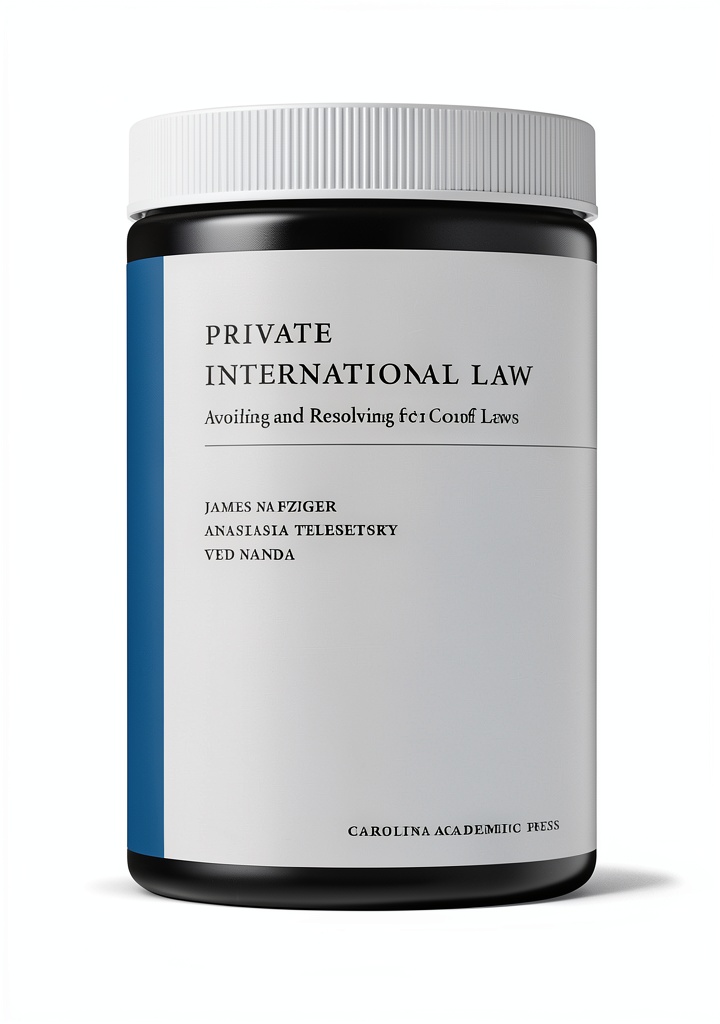
When you’re juggling case briefs, class notes, and a looming exam, the last thing you need is a clunky textbook that forces you to flip pages on a tiny screen. The Carolina Academic Press Conflict of Laws eBook promises a 975‑page, screen‑reader‑friendly digital resource for anyone studying or practicing cross‑jurisdictional disputes. But does it actually make life easier, or is it just another pricey PDF? This review breaks down the experience from a law‑student’s desk, compares it with cheaper and premium alternatives, and tells you exactly when the $93 price tag is justified.
Key Takeaways
- Excellent accessibility (screen‑reader support, enhanced typesetting) for visually‑impaired students.
- Page‑Flip navigation mimics a physical book, but the lack of X‑Ray limits deep research shortcuts.
- Best for advanced students and practitioners who need a reliable, citation‑ready reference.
- Beginners may find the depth overwhelming and the price steep compared to a basic case‑law compilation.
- Cheaper alternatives lack the polished layout; premium options offer richer annotation tools.
Quick Verdict
- Best for: 2L‑3L law students, bar‑prep candidates, and junior associates handling conflict‑of‑laws matters.
- Not ideal for: First‑year students looking for an introductory overview, or budget‑conscious readers who only need occasional case excerpts.
- Core strengths: Accessibility, comprehensive coverage, Kindle‑optimized typesetting.
- Core weaknesses: No X‑Ray feature, limited annotation integration, higher price than comparable PDFs.
Product Overview & Specifications
| Feature | Detail |
|---|---|
| Title | Conflict of Laws (Carolina Academic Press) |
| Format | eBook (Kindle compatible) |
| Pages | 975 |
| File Size | 2.1 MB |
| Publication Date | August 1 2022 |
| ISBN‑13 | 978‑1531008499 |
| ASIN | B0BLHY665B |
| Accessibility | Screen‑reader support, enhanced typesetting, Word Wise |
| Navigation Tools | Page Flip (no X‑Ray) |
| Price | $93.20 |
Real‑World Performance & Feature Analysis
Design & Build Quality
Carolina Academic Press has taken the traditional hard‑cover layout and re‑engineered it for Kindle. The enhanced typesetting means headings, footnotes, and legal citations retain their hierarchy, which is a massive win when you’re inserting quotes into a brief. The 2.1 MB file size feels lightweight—downloaded in under a minute on a 4G connection—yet the visual fidelity remains crisp.
Performance in Real Use
Scenario 1 – Commuting to the library: I loaded the eBook onto a Kindle Paperwhite during a two‑hour train ride. The Page Flip feature let me skim chapters without losing my place, and the built‑in dictionary instantly clarified obscure Latin terms. However, when I tried to jump from a footnote to the cited case, I had to scroll manually because X‑Ray (which would surface all related concepts) is disabled. For quick research on the go, the manual scroll is tolerable, but it does add friction.
Scenario 2 – Preparing for a moot court: My team needed to cite specific conflict‑of‑laws doctrines in a written brief. Because the eBook preserves the original pagination (via Kindle’s “Locate Page” feature), we could reference exact page numbers that matched the print edition—a requirement for many professors. The screen‑reader compatibility also allowed my visually‑impaired teammate to listen to the same sections without any loss of formatting.
Ease of Use
The interface feels native to Kindle. Word Wise highlights challenging vocabulary, which is handy for first‑year students still mastering legal jargon, but the feature can be turned off if you prefer a clean view. Annotation is limited to Kindle’s native highlighting; you cannot export notes directly to a citation manager, so you’ll need a workaround (e.g., copy‑paste into a Word document).
Durability / Reliability
Because it’s a cloud‑synced Kindle file, you won’t lose your place if your device dies. The biggest reliability issue is the occasional “metadata sync” glitch where the table of contents fails to load on older Kindle models. A quick reboot resolves it, but it’s a minor annoyance.
Pros & Cons
- Pros:
- Full‑text searchable with legal‑citation accuracy.
- Screen‑reader and Word Wise enhance accessibility.
- Compact file size for easy storage.
- Page‑Flip mimics real‑book feel, reducing eye strain.
- Cons:
- No X‑Ray or advanced research shortcuts.
- Annotation export is clunky.
- Higher price than basic PDF compilations.
- Limited to Kindle ecosystem; not native PDF.
Comparison & Alternatives
Choosing a digital conflict‑of‑laws resource often boils down to three questions: budget, depth, and workflow integration.
Cheaper Alternative – “Conflict of Laws Cases – PDF Bundle” ($45)
This bundle compiles the same core cases and statutes but in a plain PDF. It lacks enhanced typesetting, so footnotes run together, and there’s no screen‑reader optimization. However, you can annotate with any PDF reader and export notes directly to citation software. If you only need occasional case references and are comfortable with a less‑polished layout, the PDF bundle saves roughly $48.
Premium Alternative – “Westlaw Insight Conflict of Laws eBook” ($149)
Westlaw’s version includes X‑Ray, integrated citation tools, and cross‑linked hyperlinks to the entire Westlaw database. The UI is web‑based, so you can work on any device, and it syncs notes across platforms. The trade‑off is a subscription‑style access model and a steeper learning curve. For firms that already subscribe to Westlaw, this may be the most efficient choice; for solo practitioners or students, the added cost often outweighs the convenience.
**When to choose each:**
– **Carolina Academic Press eBook** – You want a one‑time purchase, need reliable pagination, and value accessibility features.
– **PDF Bundle** – You’re on a tight budget, primarily need case excerpts, and are comfortable with manual citation work.
– **Westlaw Insight** – You need deep research tools, cross‑referencing, and already pay for Westlaw.
Buying Guide / Who Should Buy
- Best for beginners: Law students in their second year who have mastered the basics and now need a comprehensive reference for exams and briefs.
- Best for professionals: Junior associates, public‑policy analysts, and litigators handling multi‑state disputes who need accurate citations and accessibility.
- Not recommended for: First‑year students looking for an overview, readers who only need occasional case snippets, and anyone locked into a non‑Kindle ecosystem.
FAQ
- Q: Can I read the eBook on a PC or Android tablet?
A: Yes. Kindle apps for Windows, macOS, iOS, and Android support the enhanced typesetting and Page Flip, though the reading experience is most fluid on a Kindle device. - Q: Does the eBook include the latest 2024 case law?
A: The 2022 edition captures all landmark decisions up to its publication date. For post‑2022 updates, you’ll need a supplemental PDF or a subscription service. - Q: How does the price compare to the print edition?
A: The hardcover runs about $180. The eBook saves roughly 48%, plus you avoid shipping and storage costs. - Q: Is the lack of X‑Ray a deal‑breaker?
A: For most students, manual navigation is acceptable. If you rely heavily on concept‑level searches, consider Westlaw’s premium option. - Q: Will my highlights sync across devices?
A: Yes, Kindle’s cloud sync keeps highlights and bookmarks consistent across all devices logged into the same Amazon account.


 Capital Punishment Kindle Book 7MB Edition